September 29, 2026
Hiring a residential roofing contractor is an important decision that can affect your home's protection, appearance, and long-term maintenance costs. Whether you're replacing an aging roof, repairing storm damage, or planning a new installation, evaluating potential contractors requires careful consideration. Experience, technical qualifications, customer reviews, and insurance coverage all contribute to a company's ability to complete a project successfully. Understanding these factors can help homeowners compare available options, establish realistic expectations, and select a professional whose services align with their roofing needs.
Evaluating Experience and Industry Expertise
A contractor's experience provides valuable insight into their familiarity with different roofing systems and installation challenges. Companies with an established history may have encountered various roofing materials, weather conditions, and structural complications. However, years in business should not be the only consideration. Homeowners should also examine the types of projects a contractor regularly completes and determine whether that experience matches their specific requirements.
Ask potential contractors about previous installations, challenging repairs, and their approach to unexpected problems. Experienced professionals should be able to explain their installation procedures, identify potential complications, and provide practical recommendations. Their familiarity with local weather patterns and building requirements can also contribute to effective project planning.
Understanding Residential Roofing Specialization
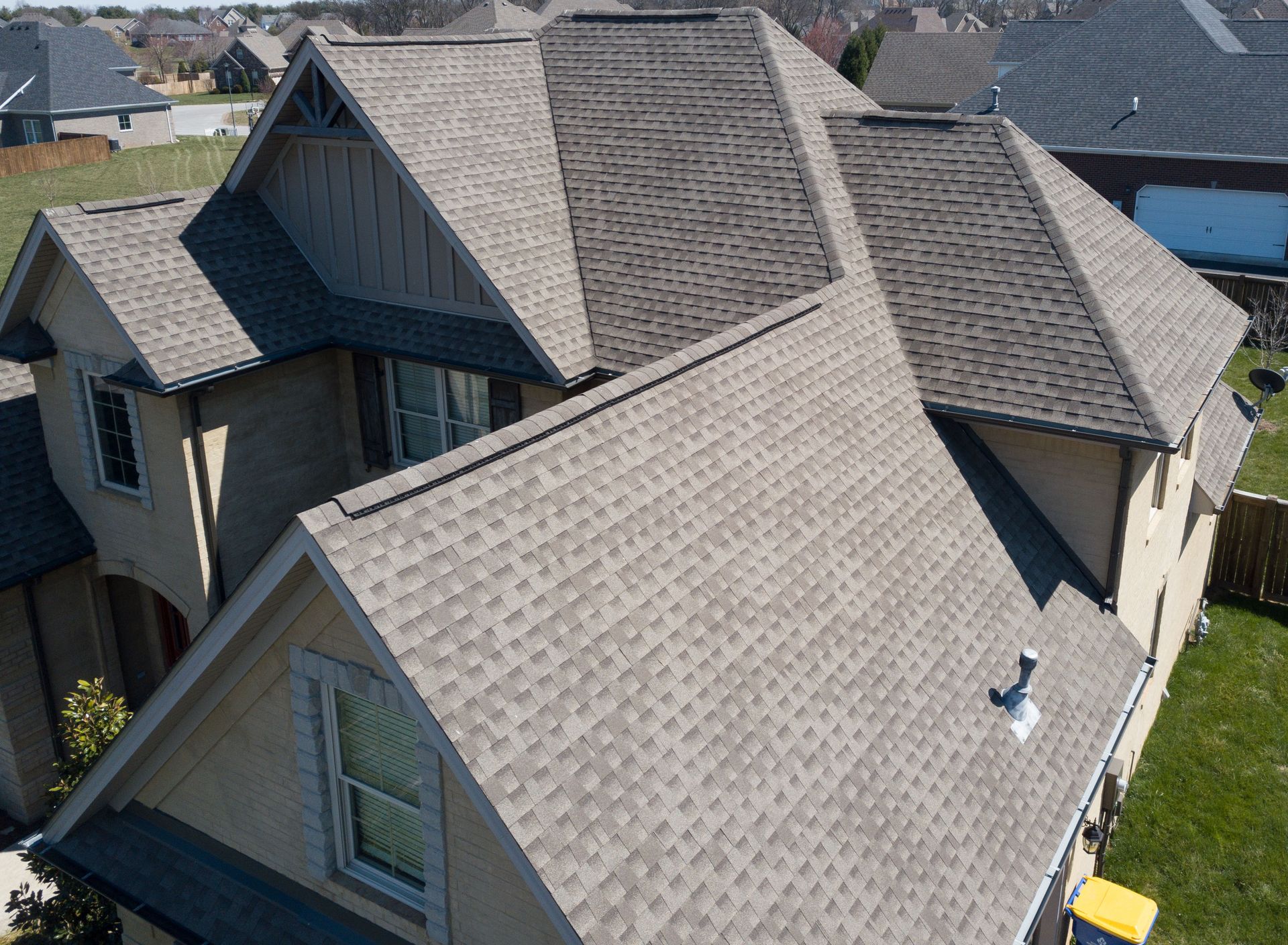
Residential roofing involves considerations that differ from those associated with large commercial buildings. A residential roofing contractor should understand common household roofing systems, attic ventilation, insulation requirements, and architectural styles. Familiarity with asphalt shingles, metal roofing, and other residential materials allows contractors to recommend options that accommodate different budgets and structural requirements.
According to Grand View Research, the global roofing materials market size was valued at $138.7 billion in 2025 and is projected to expand to $191.5 billion by 2033, driven by increases in building renovations and demand for weather-resistant materials. This growing demand highlights the importance of selecting roofing materials that provide lasting protection while meeting a home's structural requirements and local climate conditions.
Specialization also involves understanding how roofing projects affect occupied homes. Contractors should explain how they intend to protect landscaping, manage construction debris, and minimize disruptions during installation. Discussing these procedures beforehand helps homeowners prepare their properties and establish clear expectations regarding the construction process.
Reviewing Portfolios and Previous Projects
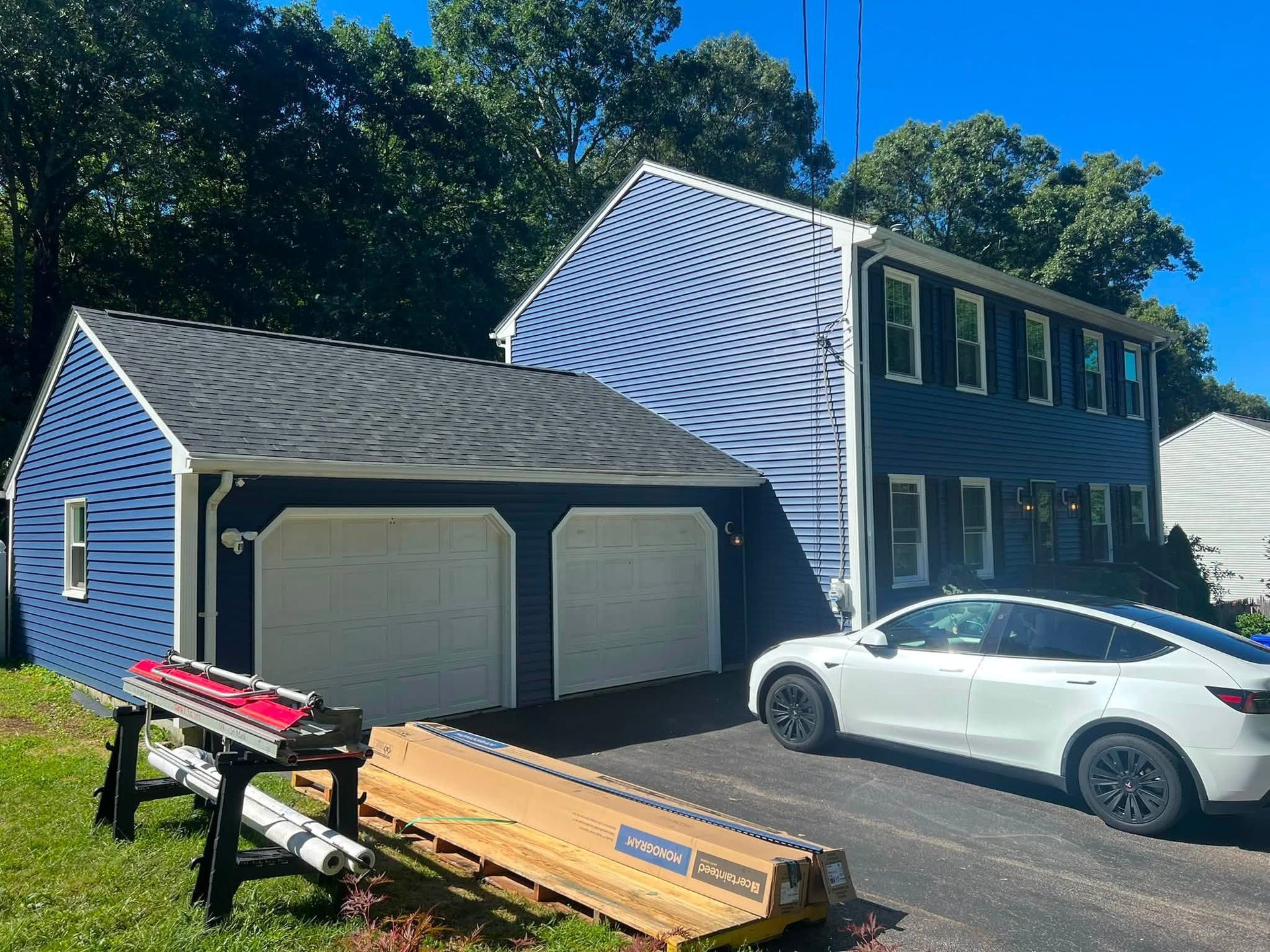
A contractor's portfolio offers visual evidence of completed work and demonstrates experience with different roofing materials and architectural designs. When evaluating a residential roofing contractor, request photographs of projects similar to your planned installation or repair. Pay attention to workmanship around roof valleys, flashing, chimneys, and other areas where careful installation is particularly important.
Whenever possible, request references from homeowners who have completed comparable projects. Ask about installation timelines, communication, property protection, and how the contractor handled unexpected complications. Examining completed projects can also help you identify roofing styles and materials that complement your home's appearance.
Checking Technical Qualifications and Training
Roofing technology continues to evolve as manufacturers introduce new materials, installation methods, and energy-efficient products. A qualified residential roofing contractor should maintain familiarity with applicable installation standards and participate in relevant professional training. Manufacturer certifications may indicate that a contractor has completed specialized instruction for particular roofing products.
Ask whether installation crews receive ongoing training and whether the company has experience with your preferred roofing system. Contractors should also understand ventilation requirements, moisture management, and appropriate flashing techniques. These technical considerations can influence roof performance and help prevent avoidable installation problems.
Membership in professional organizations, such as the National Roofing Contractors Association, may provide access to educational resources and industry developments. However, professional affiliations should complement rather than replace an independent evaluation of qualifications, completed work, and customer experiences.
Examining Customer Reviews and Reputation
Customer feedback provides additional information about a contractor's reliability, communication, and workmanship. Online platforms, including Google, Yelp, and the Better Business Bureau, can help homeowners identify recurring patterns in customer experiences. Rather than focusing exclusively on overall ratings, examine detailed reviews describing specific projects and the contractor's response to unexpected issues.
When researching a residential roofing contractor, consider whether previous customers mention punctuality, accurate estimates, thorough cleanup, and satisfactory communication. Reviews discussing similar roofing projects may offer particularly relevant insights. Remember that individual experiences vary, making it important to evaluate feedback from several sources.
Pay attention to how companies respond to criticism. Contractors who acknowledge concerns, explain their actions, and describe reasonable solutions may demonstrate a constructive approach to customer service. Unresolved complaints or repeated concerns about similar issues warrant additional investigation before making a hiring decision.
Gathering Testimonials and Local Recommendations
Personal recommendations can supplement online research by providing firsthand accounts of a contractor's performance. Neighbors, relatives, and colleagues who have recently completed roofing projects may offer useful information about their experiences. Ask whether the contractor respected the agreed schedule, communicated unexpected expenses, and addressed concerns after installation.
Local recommendations may also help identify companies familiar with regional weather conditions and common residential roofing challenges. Requesting several references allows homeowners to compare experiences rather than relying on a single recommendation. Whenever possible, speak directly with previous customers about the durability of their completed roofing projects and their overall satisfaction.
Verifying Licensing and Local Requirements
Before hiring a residential roofing contractor, verify that the company meets applicable state and local licensing requirements. Roofing contractor regulations vary by location, and certain jurisdictions may require additional registrations, permits, or professional credentials. Contact the appropriate licensing authority to confirm the contractor's status and determine which requirements apply to your project.
Ask who will obtain necessary building permits and arrange required inspections. Clarifying these responsibilities before construction begins can help prevent scheduling complications and ensure that the installation complies with applicable building codes. Written documentation of licensing information and permit arrangements also provides a useful reference throughout the project.
Confirming Workers' Compensation Coverage
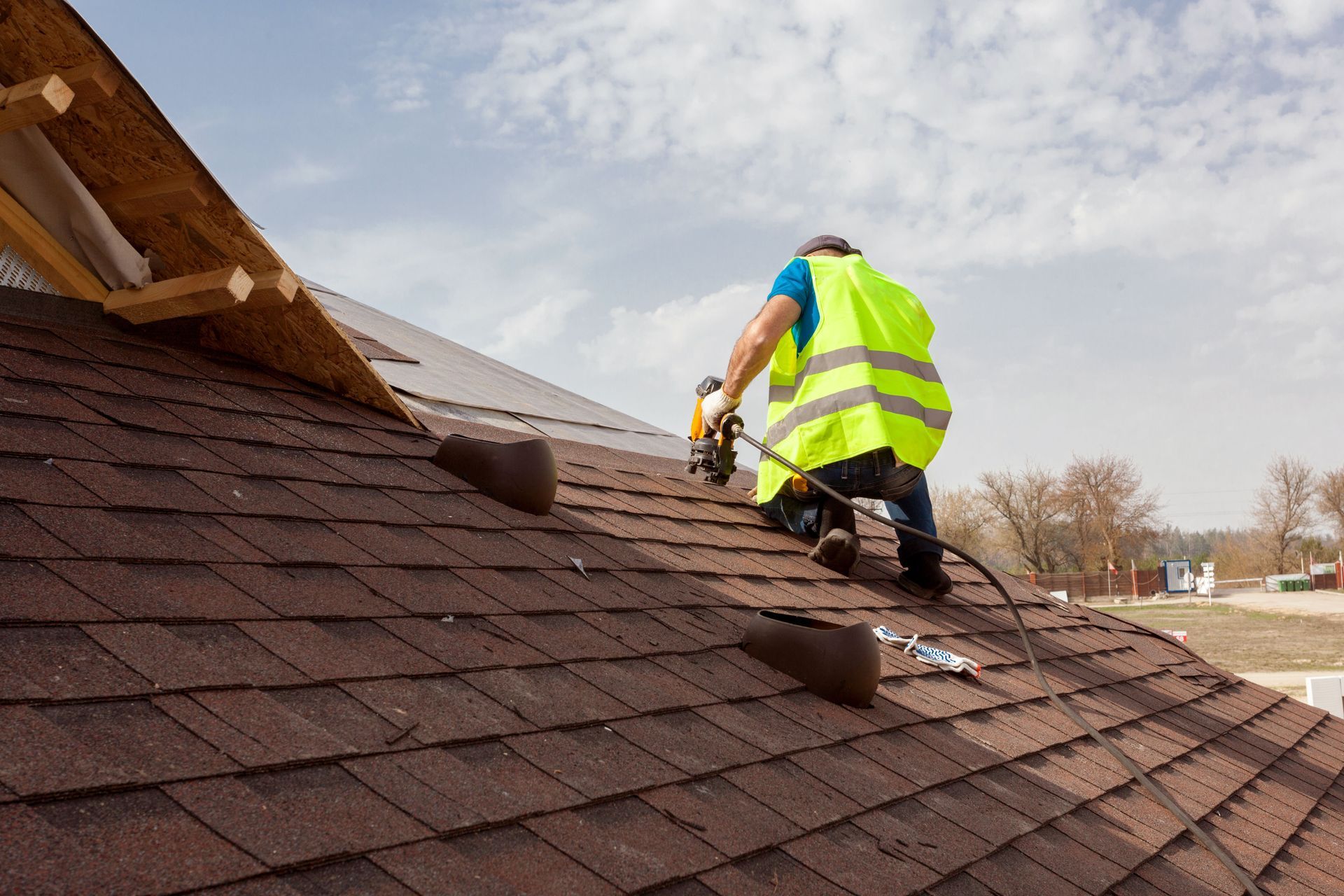
Workers' compensation insurance is another important consideration when evaluating roofing companies. Depending on applicable laws and policy terms, this coverage may provide benefits to employees who experience work-related injuries or illnesses. Roofing involves working at elevated heights and handling heavy materials, making workplace safety and appropriate insurance particularly important.
Request a current certificate of insurance and verify coverage with the issuing insurance provider when necessary. Confirm that the policy applies to the workers participating in your project, including any subcontractors. Homeowners should also ask contractors about their safety procedures, protective equipment, and methods for managing potential hazards during installation.
Reviewing General Liability Insurance
General liability insurance may provide protection against certain third-party injuries and property damage associated with roofing operations, subject to the policy's coverage terms and exclusions. Accidental damage to landscaping, exterior fixtures, or neighboring property can create unexpected expenses during construction. Verifying insurance coverage helps homeowners understand how potential incidents may be addressed.
Ask prospective contractors about their coverage limits and request documentation directly from their insurance providers when appropriate. Clarify how the company handles accidental property damage and whether subcontractors maintain their own insurance. Reviewing these details before signing an agreement can help reduce uncertainty and establish clear responsibilities.
Choosing a roofing professional involves more than comparing prices or reviewing promotional claims. By examining experience, technical qualifications, customer feedback, licensing, insurance, and written estimates, homeowners can make informed decisions about their roofing investments. A thorough evaluation helps establish realistic expectations and supports a more organized roofing project from the initial consultation through the final inspection. Contact our team at Helping Homes Roof today and learn more about our roofing services.