August 31, 2026
Maximizing the lifespan of an asphalt roof is an essential priority for homeowners seeking to protect their overall property investment. Local roofers bring specialized regional knowledge and extensive hands-on expertise to every residential project, ensuring that home exteriors remain fully fortified against unpredictable weather conditions and severe seasonal storms. According to Home Advisor, asphalt shingle roofs tend to last 20 to 25 years, but dedicated care and proactive maintenance routines can extend their operational life substantially beyond basic expectations. Protecting the structural integrity of your home requires an ongoing commitment to preventative upkeep, high-performance material selection, and timely professional repairs. By taking a comprehensive approach to home exterior management, property owners can safeguard their shelters while enhancing overall structural resilience and long-term durability for decades.
Every residential structure faces continuous environmental stress from sun exposure, wind-driven rain, heavy snow, and extreme seasonal temperature fluctuations throughout the year. Experienced roofing professionals recognize exactly how regional climate patterns impact specific roofing components over extended periods. Through thorough structural evaluation and structured care strategies, skilled trade specialists help homeowners avoid premature structural failures and keep their properties secure throughout the seasons. Understanding how to manage your asphalt shingle system across its entire lifespan ensures optimal shelter performance, elevated curb appeal, and lasting peace of mind for your entire family.
1. Schedule Regular Roof Inspections
Scheduling regular inspections is fundamental to identifying minor structural issues long before they escalate into severe vulnerabilities. Skilled local roofers conduct detailed visual assessments to detect subtle signs of wear, such as cracked shingles, deteriorating sealant around chimneys, or early evidence of subsurface moisture retention. Catching these early warning signs prevents water intrusion and safeguards the underlying wooden decking from rot and structural weakening. Consistent evaluations allow trained trade specialists to address localized damage quickly, preventing compounding repairs and preserving overall structural soundness across every slope of your roof assembly.
A thorough evaluation involves meticulously examining all exposed exterior components, including flashing, soffits, fascia boards, siding connections, and attic intake vents. Setting up a consistent inspection schedule—typically during the spring and fall seasons—prepares the roof structure for the upcoming demands of winter freezing and summer heat. Documenting structural health over time creates a clear maintenance history, making it significantly easier to track wear patterns, evaluate past repairs, and execute targeted maintenance work as components age naturally over time.
2. Select Quality Roofing Materials
Selecting premium materials forms the cornerstone of a durable, resilient roofing system built to endure harsh weather conditions over time. Knowledgeable local roofers guide homeowners toward high-grade architectural asphalt shingles that feature enhanced wind resistance ratings, superior granule retention, and heavy-duty multi-layer construction. Investing in top-tier materials reduces the frequency of shingle displacement and prevents premature degradation caused by continuous ultraviolet radiation exposure. Modern manufacturing practices also offer environmentally conscious shingle options that incorporate sustainable materials while providing exceptional durability against severe weather.
Beyond basic shingle quality, choosing high-performance secondary layers ensures comprehensive protection across the entire structural deck. Partnering with established material suppliers guarantees access to proven products backed by strong manufacturer warranties. Customizing material choices to suit specific architectural styles and regional climate requirements optimizes system performance, allowing the roof structure to maintain its strength, visual charm, and protective qualities for many years of reliable service.
3. Execute Proper Installation Techniques
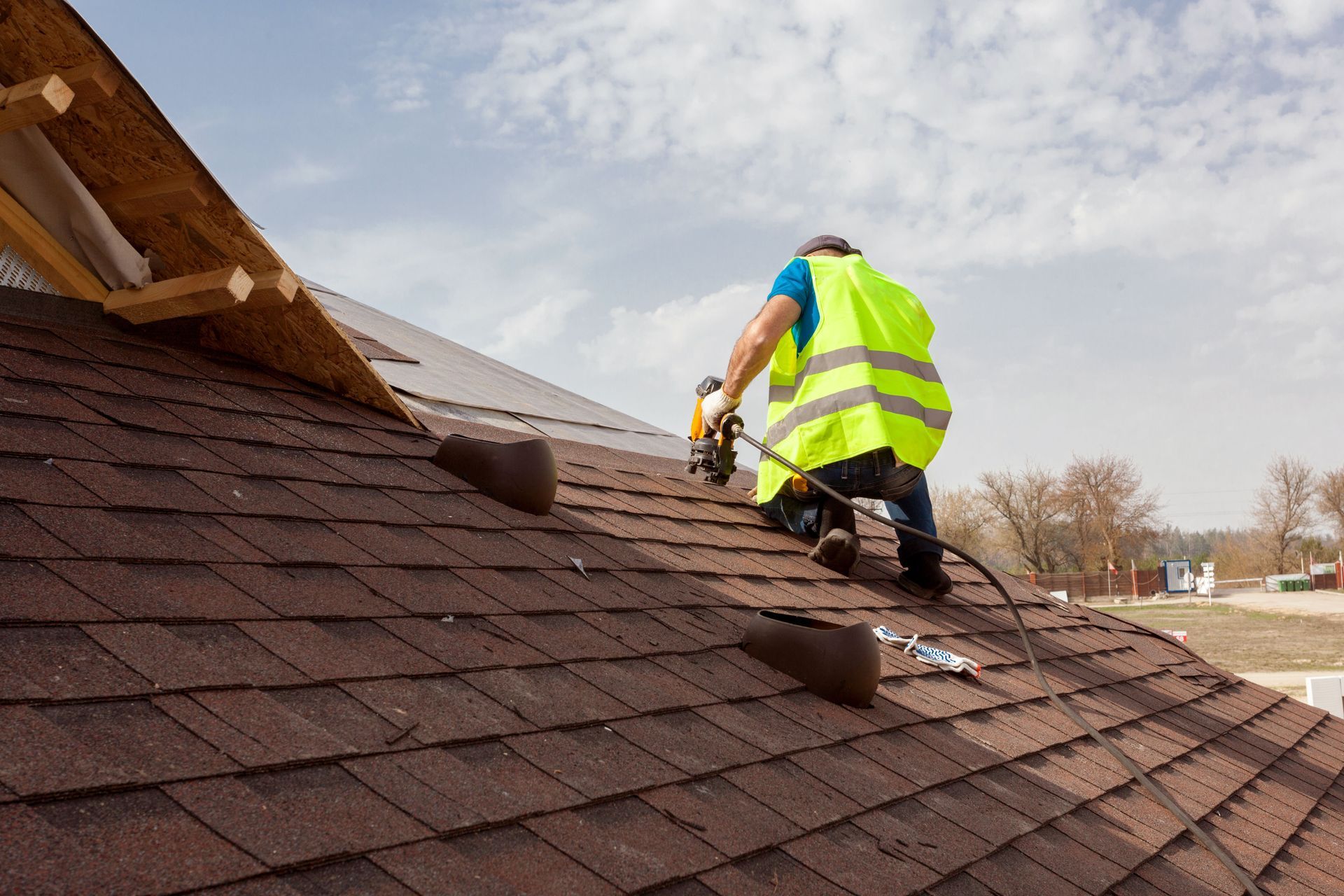
Executing proper installation techniques is critical to ensuring that high-grade materials perform exactly as engineered by manufacturers. Qualified local roofers strictly adhere to established industry standards, using precise fastening patterns, correct shingle overhang measurements, and immaculate deck preparation methods. Proper installation technique prevents wind uplift during severe storms, keeps wind-driven water from penetrating shingle edges, and maintains structural alignment. Expert craftsmanship ensures that every individual layer works cohesively to form a strong barrier against environmental elements.
A vital aspect of installation involves establishing balanced attic ventilation systems to regulate interior temperature levels and control humidity. Inadequate airflow allows excess heat and moisture to accumulate beneath the roof deck, which can cause asphalt shingles to blister, warp, or deteriorate prematurely. Installing appropriate ridge vents, soffit intake vents, and high-performance synthetic underlayments protects the entire structural assembly, ensuring balanced attic temperatures and preventing internal condensation issues that cause structural mold and wood decay.
4. Implement Effective Weatherproofing Measures
Implementing robust weatherproofing measures reinforces a building against severe weather events, driving rains, and potential water intrusion. Experienced local roofers install dedicated ice and water shield membranes along particularly vulnerable areas, such as eaves, valleys, and around roof penetrations. Pairing these protective membranes with properly designed gutter and downspout systems ensures that heavy rainfall is directed safely away from the foundation and roof perimeter, eliminating water pooling and wood decay risks.
Fortifying the structure against high winds involves securing specialized starter shingles along all roof edges and applying extra fasteners in exposed zones. Sealing critical junctions around chimneys and skylights with durable elastomeric sealants creates a tight barrier against moisture. Proactive storm preparedness also includes inspecting flashing integrity, evaluating siding connections, and trimming overhanging tree branches to prevent severe impact damage during heavy storms.
5. Perform Routine Maintenance Services
Performing routine maintenance services keeps the roofing system clean, fully functional, and capable of shedding water efficiently year-round. Professional local roofers clear accumulated leaves, twigs, and organic debris that retain moisture and promote algae or moss growth on shingle surfaces. Removing organic growth promptly preserves the protective mineral granules on asphalt shingles, keeping the surface intact and preventing premature degradation of the underlying asphalt layer.
Promptly addressing minor repairs—such as re-attaching a loose shingle, replacing damaged flashing, or clearing blocked downspouts—prevents small defects from spreading across larger areas of the roof. Seasonal maintenance protocols ensure that the roof surface is cleared and verified before winter snowfall or spring downpours arrive. Establishing ongoing service routines provides long-term peace of mind and keeps the entire roofing assembly in peak working condition.
6. Navigate Warranties and Insurance Claims
Navigating warranty details and insurance coverage requires specialized guidance to ensure home investments remain fully protected under all circumstances. Dedicated local roofers help property owners understand the distinct differences between manufacturer material warranties and contractor workmanship guarantees. Maintaining detailed service records and completing routine professional inspections satisfies strict warranty requirements, preserving active coverage and preventing claim denials caused by unaddressed maintenance issues.
When unexpected storm damage occurs, navigating the insurance claim process can feel overwhelming for property owners managing damage repairs. Professional restoration specialists assist by conducting detailed post-storm evaluations, documenting structural damage meticulously, and interfacing directly with insurance adjusters. Providing precise documentation ensures that insurance claims accurately reflect all necessary repairs, streamlining approval timelines and restoring the home to optimal condition without unnecessary stress.
Maximizing the operational lifespan of an asphalt roof requires a holistic care strategy encompassing regular inspections, premium material selection, flawless installation, weatherproofing, and consistent maintenance. Taking preventative action safeguards your home against severe weather, preserves structural integrity, and maintains property value over time. Working alongside experienced professionals ensures that every component of your roofing system performs reliably year after year.
Protecting your home begins with a commitment to quality craftsmanship and proactive care tailored to your property's unique requirements. Contact us today to schedule your comprehensive roof evaluation, and let our dedicated team at Helping Homes Roof protect your home for years to come.